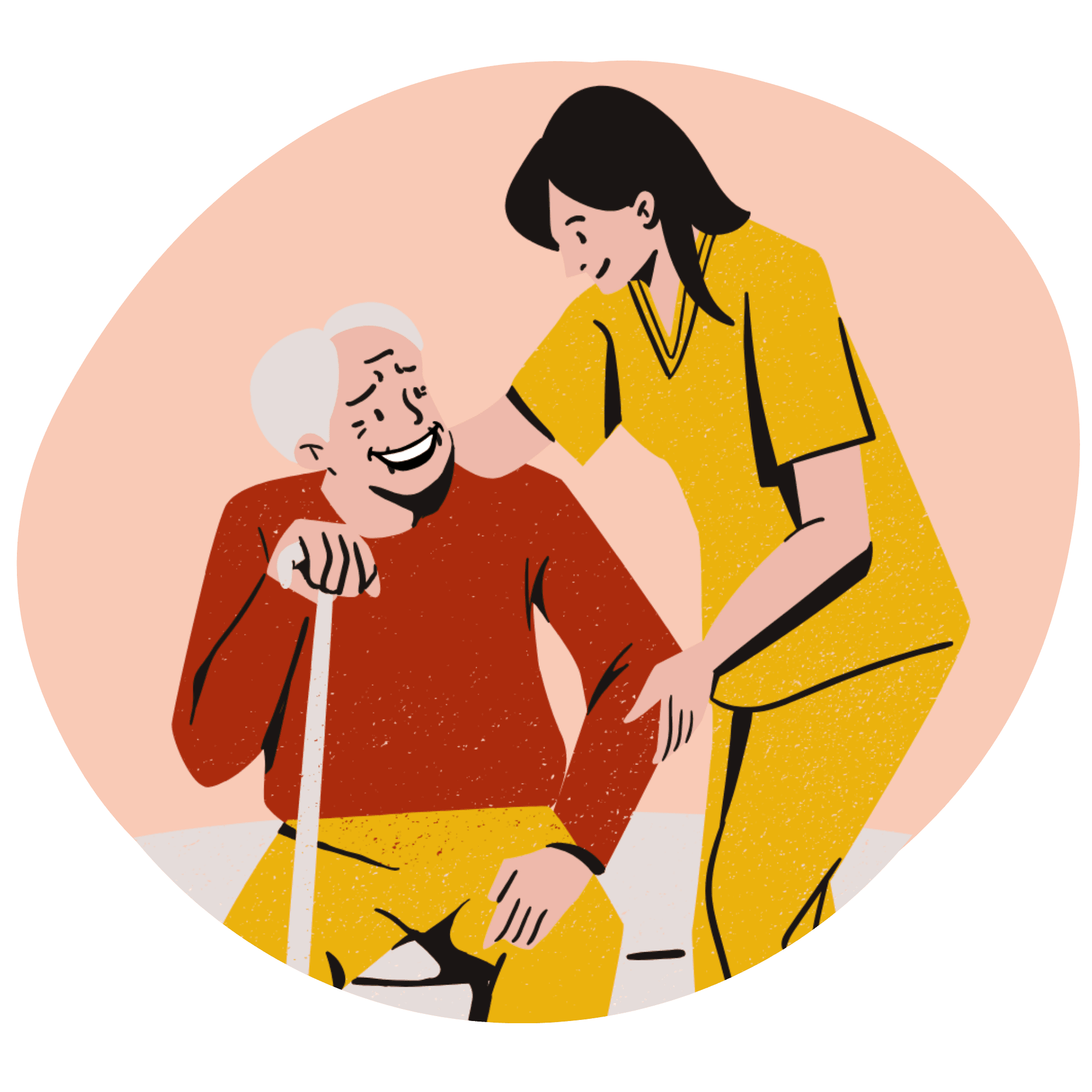

Caregiver Training Process That Ensures Safety and Dignity
Published June 24th, 2026
Delivering safe, dignified, and personalized non-medical home care hinges on the thorough training of caregivers who enter your loved one's home. Rigorous training is essential not only to protect clients from harm but also to promote their independence and preserve their dignity, creating an environment where they can thrive comfortably. At Reggie's Guardian Angel, we recognize that well-prepared caregivers bring families peace of mind by ensuring consistent, respectful support that honors each individual's unique needs.
Our structured training program reflects over 25 years of clinical expertise and case management experience, emphasizing both technical skills and compassionate communication. This foundation enables caregivers to confidently provide care that safeguards safety, encourages autonomy, and nurtures meaningful relationships. What follows is an in-depth look at how our training cultivates these qualities to uphold the highest standards of home care for every client we serve.
Core Components of Our Caregiver Training Process
Our caregiver training process is built in layers so that every person entering a client's home understands not only what to do, but why it matters for safety, independence, and dignity.
Initial Orientation: Grounding Care In Safety And Respect
Orientation starts with our care philosophy, confidentiality standards, and clear expectations for professional conduct. We review boundaries, communication with families, and how to follow care plans accurately. This gives caregivers a shared framework for consistent, steady care, so clients are not left managing mixed messages or unsafe shortcuts.
We also address caregiver criminal history screening and reference checks as part of our onboarding discussion. By being transparent about these safeguards, we reinforce that clients and families deserve to feel secure about who is entering the home.
Safety Protocols And Manual Handling Training
Safety training focuses on preventing falls, injuries, and medical emergencies in the home. Caregivers learn how to recognize environmental hazards, support safe mobility, and respond calmly if a client's condition changes.
A core piece is training for safe manual handling. We review proper body mechanics, safe use of mobility aids, and how to assist with transfers without pulling on fragile joints or rushing a client. This protects both the client and the caregiver, reducing strain and preserving as much independent movement as possible instead of doing everything for the client.
Personal Care Skills That Protect Independence
Personal care instruction covers bathing, grooming, toileting, dressing, and continence support. We break each task into steps that allow clients to do what they safely can, with caregivers stepping in only where needed. The goal is not a perfect-looking outcome; it is safe support that respects the client's pace and preferences.
Caregivers practice respectful assistance with daily activities: asking before touching, explaining each step, and shielding the body during intimate care. This reduces embarrassment and helps clients feel in control of their own routines.
Client Dignity Practices As A Core Skill
Training to uphold client dignity is woven through the entire program rather than treated as a single lecture. We discuss language that preserves adult status (no baby talk), how to offer choices instead of commands, and ways to include clients in decisions even when they have cognitive changes.
Caregivers learn to observe emotional cues, respond to frustration without judgment, and protect privacy when family or visitors are present. These practices lessen anxiety and help clients accept assistance without feeling helpless.
Certification And Ongoing Skill Validation
Formal certifications and structured competency checks validate that caregivers can apply what they have learned. Written assessments and skills demonstrations confirm understanding of safety procedures, personal care techniques, and communication standards before independent assignments.
For clients and families, this means support from caregivers whose skills have been tested, not assumed. Certification processes set a clear bar for professionalism and reliability and give us a structured way to address retraining when standards are not met.
These technical and safety-focused elements form the base of our training. We then add cultural sensitivity and interpersonal education so caregivers can connect with clients as whole people, not just tasks to complete.
Cultural Sensitivity and Personalized Care Education
Cultural education in our program treats every client's background, history, and daily habits as essential care information, not side notes. We train caregivers to notice how beliefs, traditions, and communication patterns shape what feels respectful, safe, and comfortable in the home.
Language, Tone, And Nonverbal Awareness
Caregivers study how word choice, tone, and body language influence trust. Training addresses plain-language explanations, respectful forms of address, and how to listen when a client prefers short answers, longer conversations, or quiet time. We review how facial expressions, eye contact, and personal space differ across cultures, so caregivers read cues instead of assuming a single "right" way to interact.
Daily Routines, Food, And Religious Or Cultural Practices
Instruction on daily routines highlights cultural and personal meaning behind familiar tasks. We explore how morning rituals, prayer times, and rest periods affect scheduling support. When we address meal preparation, caregivers learn to ask about preferred foods, seasoning, and fasting periods. The goal is safe assistance that honors dietary customs while supporting health and comfort.
Family Roles, Boundaries, And Decision-Making
Family dynamics receive focused attention. Caregivers learn to clarify who makes care decisions, who shares updates, and how family members prefer to participate in hands-on support. Training emphasizes respect for elders' authority, privacy around sensitive topics, and clear boundaries so roles stay defined and relationships stay steady instead of tense.
From Cultural Awareness To Personalized Care Plans
We fold this education into how caregivers follow and report on customized care plans for seniors. They practice documenting cultural preferences, communication patterns, and comfort needs as carefully as mobility or personal care tasks. That record helps keep care consistent, even when staff rotate, and reinforces that identity and history matter as much as daily tasks.
This human-centered focus strengthens the caregiver-client relationship. When a person feels understood in their own language, faith practice, or family pattern, they relax, participate more in their own care, and keep a stronger sense of self. That comfort supports safer decision-making, steadier routines, and a level of independence that brings peace of mind to clients and families.
Ongoing Support and Professional Development for Caregivers
Initial training builds the foundation, but our real strength comes from how we continue to develop caregivers once they are in the field. We treat education as a constant cycle, not a one-time class, so skills stay sharp and care stays steady for clients and families.
Ongoing education focuses on practical refreshers that protect safety and dignity. Regular sessions revisit fall prevention, infection control, and changes in home safety procedures, so caregivers adjust routines as clients age or health needs shift. We also reinforce respectful communication and choice-giving, keeping dignity practices active instead of letting them fade into habit.
Hands-on skill updates address areas where precision matters. Hoyer lift safety training reviews sling application, positioning, and clear communication before every transfer, reducing risk of skin injury or fear during movement. We also return to safe bathing assistance, including water temperature checks, balance support, and privacy measures that prevent slips while protecting modesty. These refreshers give caregivers confidence during intimate tasks and lower the chance of avoidable accidents.
Structured mentoring links classroom concepts to real home situations. More experienced staff walk newer caregivers through problem-solving: how to adapt when a client's mobility changes mid-week, or how to adjust a routine when a family's expectations differ from the written plan. This guided support keeps caregivers from guessing and reduces strain on families who rely on consistent, thoughtful care.
Regular evaluations close the loop between training and daily practice. Supervisors review documentation, observe care when appropriate, and gather input from clients and families. When we see a gap, we respond with focused coaching rather than criticism alone. When we see strengths, we reinforce them so good habits become the standard. This feedback cycle keeps care plans aligned with each person's evolving needs and maintains a stable level of quality over time.
Taken together, initial instruction, ongoing teaching, and deliberate mentoring form a continuous learning path. For clients and families, that means support from caregivers who do not rely on memory from a single orientation but who refine their skills again and again to match real life in the home.
Caregiver Screening and Quality Assurance Measures
Strong training only protects clients when it rests on careful screening. Before we ever consider a caregiver for education or field placement, we complete layered checks designed to safeguard the home and preserve trust.
Pre-employment review starts with identity verification, criminal history checks, and work authorization confirmation. We then contact prior employers and personal references to confirm reliability, attendance patterns, and conduct in past caregiving roles. This process filters out candidates whose behavior, not just their resume, raises concerns about safety, respect, or dependability.
Only caregivers who clear these steps move forward to our structured instruction and competency checks. That connection matters: training is reserved for individuals who have already shown a history of safe behavior, honesty, and sound judgment. Families receive support from people who have been vetted first, then educated, rather than trained first and questioned later.
Screening does not stop at hiring. Ongoing background monitoring, performance reviews, and documentation audits help us spot changes that might affect eligibility to work in the home. When concerns appear, we pause assignments, review facts, and respond with corrective action or separation as needed to protect client safety.
Quality assurance practices keep daily care aligned with our standards for elder care personalized assistance. Supervisors conduct planned and unannounced visits, review care notes, and speak privately with clients and families to understand what feels safe, respectful, and helpful. We gather feedback on punctuality, communication, and how well caregivers follow customized care plans for seniors, then use that information for coaching or retraining.
These checks are not about catching caregivers in mistakes; they are about protecting dignity. Regular observation, thoughtful review, and honest conversations help ensure that support remains steady, privacy is honored, and the home stays a place of comfort rather than worry. In this way, screening and quality assurance work together to uphold our promise of respectful, secure in-home support.
The blend of rigorous initial training, ongoing professional growth, cultural sensitivity education, and thorough screening creates a foundation where caregivers deliver personalized, safe, and dignified support every day. This layered approach not only sharpens practical skills but also nurtures empathy and respect, ensuring clients maintain their independence and quality of life within their own homes. Families can find reassurance in knowing their loved ones are cared for by compassionate professionals who understand the importance of safety and dignity. Considering how well-prepared caregivers enhance daily living, we invite you to learn more about how Reggie's Guardian Angel in Burlington combines clinical expertise with a relationship-driven approach to provide thoughtful, non-medical home care tailored to your family's needs.
Request Your Care Consultation
Contact Us
Office location
10 Mall Rd, Burlington, Massachusetts, 01803Give us a call
(781) 518-7320Send us an email
[email protected]